
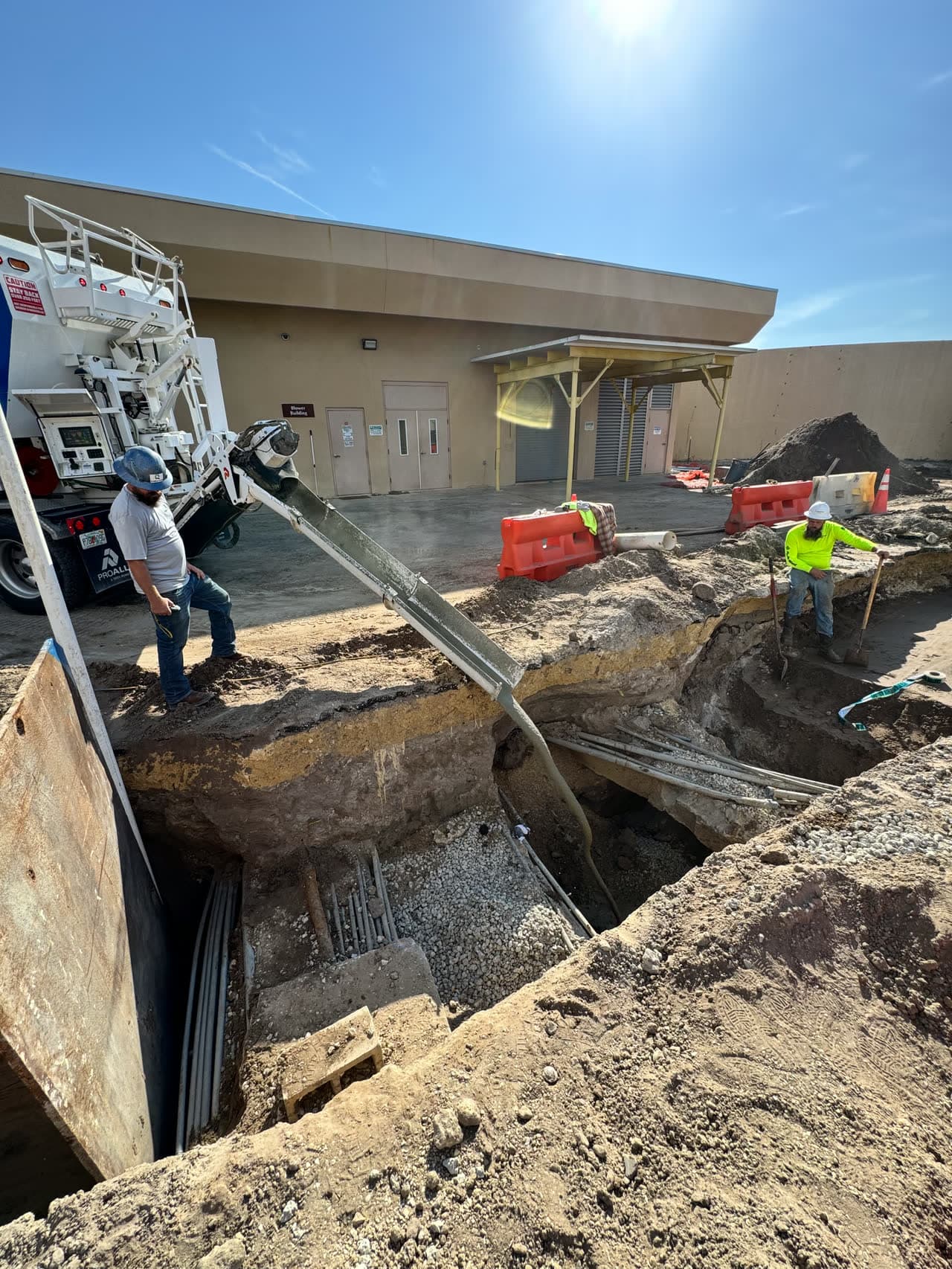
Flowable fill
THE FASTER, CLEANER ALTERNATIVETO COMPACTED BACKFILL
Flowable fill is a self-compacting material that provides a faster, more efficient alternative to traditional backfill. It eliminates the need for mechanical compaction, reducing labor and equipment requirements. Freshly mixed onsite, it helps utility and infrastructure projects stay on schedule with consistent, reliable performance.
What Is Flowable Fill?
Flowable fill is a self-compacting cementitious material that replaces compacted soil and granular backfill. It flows easily into trenches and excavations, eliminating mechanical compaction while reducing labor, equipment, and installation time.
Freshly mixed onsite, flowable fill delivers consistent quality, exact quantities, and reliable performance for utility, municipal, and infrastructure projects.
- Self-Leveling Material
- Eliminates Mechanical Compaction
- Faster Installation
- Available In Excavatable Strengths
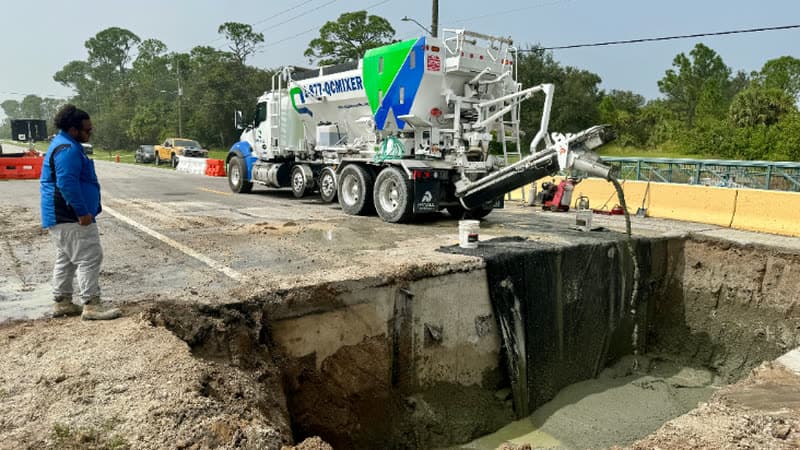
Flowable Fill Vs Traditional Compacted Backfill
Traditional backfill
Flowable fill
- Multiple LiftsSingle Placement
- Requires CompactionSelf-Compacting
- More LaborLess Labor
- Higher Risk of SettlementUniform Support
- Slower InstallationFaster Installation
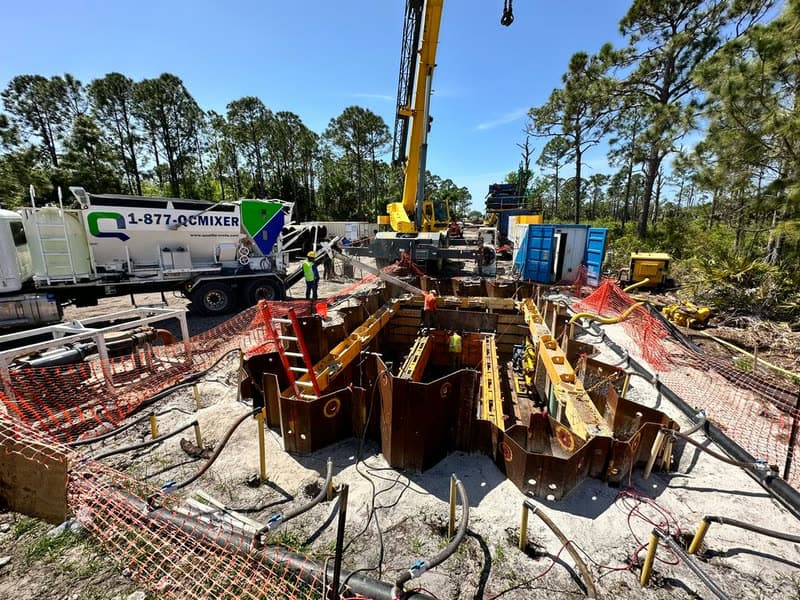
PROJECT BENEFITS
- Eliminates Mechanical Compaction
- Reduces Labor Requirements
- Faster Installation
- Provides Uniform Support
- Minimizes Settlement
- Reduces Equipment Needs
VOLUMETRIC BENEFITS
- Freshly Mixed On-Site
- Produce Exact Quantities
- Adjust Mix As Needed
- No Wasted Material
- Consistent Quality From First To Last Yard
- Produce Concrete On Demand
BUILT FOR UTILITY AND INFRASTRUCTURE PROJECTS
- Utility Trenches
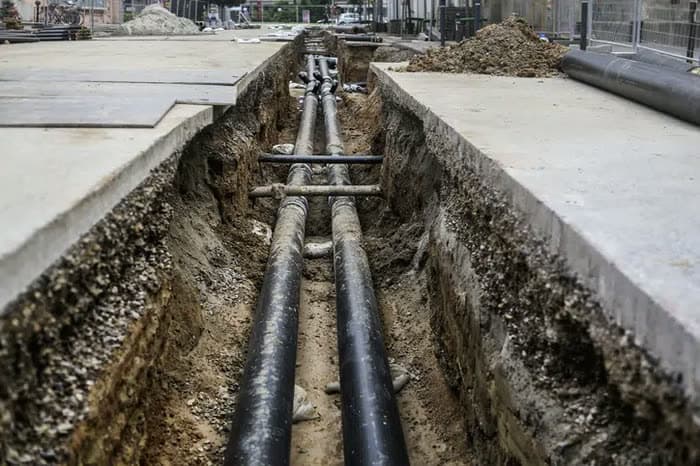
- Pipe Bedding
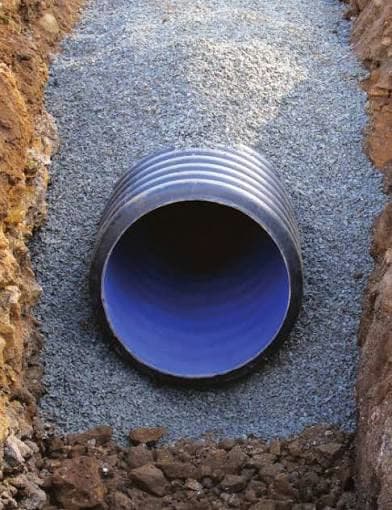
- Abandoned Pipes
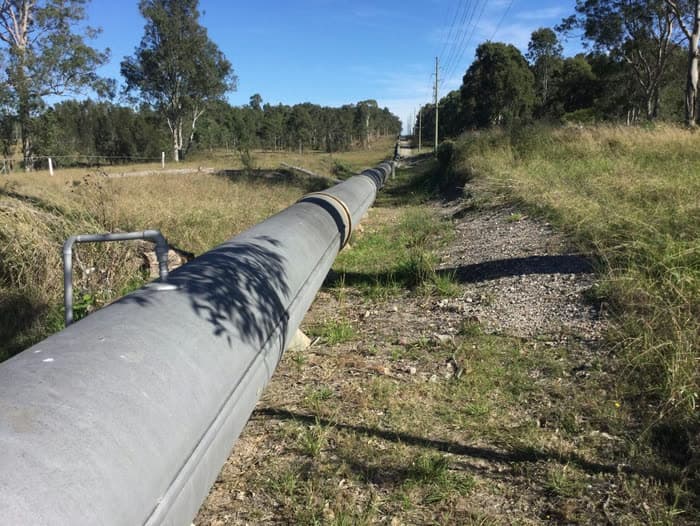
- Vault Backfill
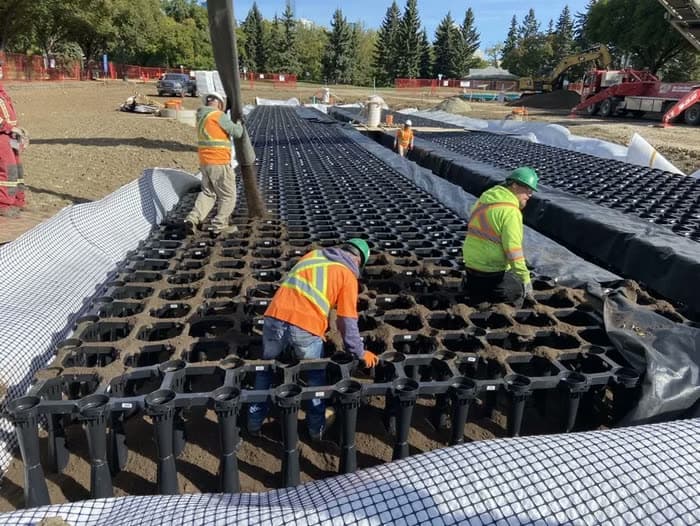
- Bridge Approaches
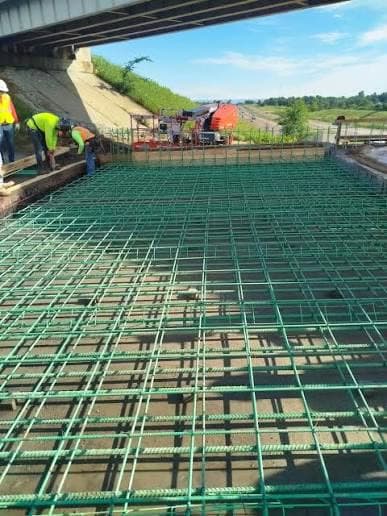
- Culvert Backfill
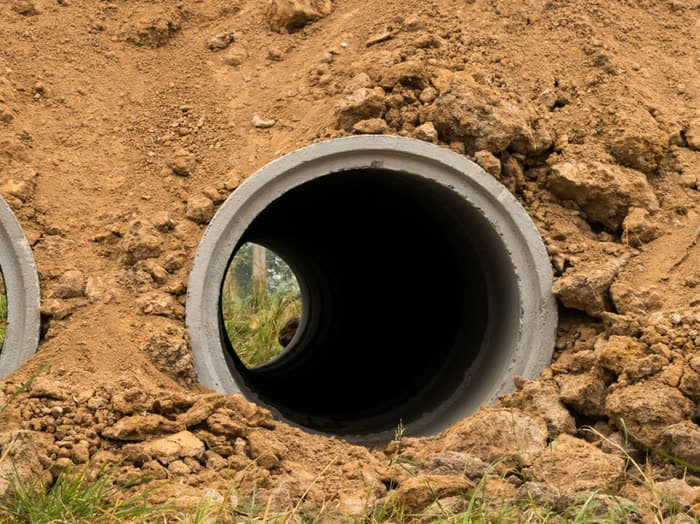
- Manhole Backfill
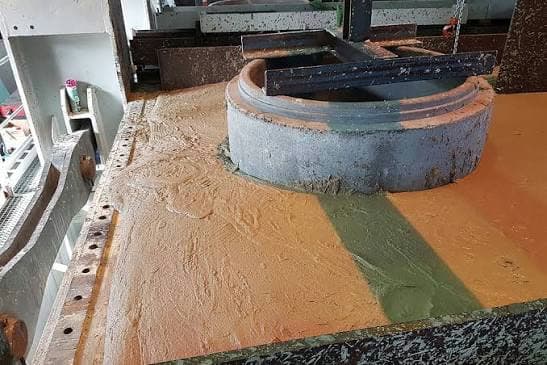
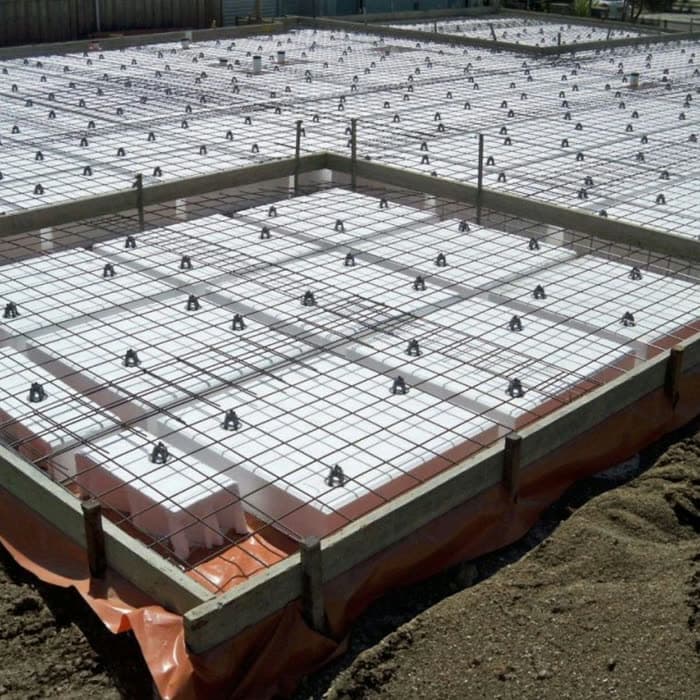
- Structural Voids
FAQ
Flowable fill is a self-leveling, low-strength cementitious material used instead of compacted soil.
Utility trenches, abandoned pipes, tank backfill, and difficult-to-compact areas.
Yes. Mixes can be designed to remain excavatable or achieve higher strengths.
No. It flows into place and consolidates without mechanical compaction.
Fresh production eliminates waste while allowing adjustments throughout placement.